
Good home theater speakers do more than make things louder. They decide whether dialogue is easy to follow, whether a car chase feels like it's happening around you, and whether music sounds full instead of thin. Most people buy a new TV with a fairly small built-in speaker, so the built-in audio is often the weakest part of the setup. Adding a dedicated speaker system is usually the quickest way to get a noticeable upgrade.
Dialogue is the first thing to pay attention to. Many shows and movies mix important lines at a level that gets lost when there's background music or sound effects. A center channel speaker, which is the one that sits above or below the TV, carries most of the voices. If you find yourself turning the volume up for talking and then jumping when the explosions start, a better center speaker or a soundbar with a clear center section will help more than anything else.

Polk Audio Monitor XT30 Compact Center Channel Speaker, Midnight Black
A compact center channel speaker that fits into tight AV consoles, bookshelves or on a tabletop for clearer dialogue.
Product information
Our review: 4.0 out of 5
Product links
Bass is the next big difference. Small TV speakers can't reproduce low sounds, so rumbling engines, thunder, and deep music just don't land. A subwoofer handles those lower frequencies and takes that work away from the smaller speakers. If you're shopping, look at whether a subwoofer is included or whether you'd need to add one later. Some kits come with a wired sub, and some use a wireless one, which makes placement easier because you don't have to run a cable across the room.
Placement matters as much as the gear itself. Even a modest speaker set will sound better when it's positioned well. Try to keep front speakers at about ear height when you're seated, and aim them toward your main seating spot. Keep the subwoofer off the floor corners if you can, since corners tend to boom, and move it a little at a time until the bass sounds even. The best speakers in the world won't sound right if they're tucked inside a cabinet or pushed against a wall.
Finally, good speakers change how you use your entertainment room. Music sounds more like a live performance, gaming feels more immersive, and movie nights start to feel like an event. You don't need a huge budget to get there. You just need speakers that match your room size, your TV, and the way you actually watch.
Surround Sound Setups for Small Rooms
A 5.1 system is the classic setup, with five speakers around the room and one subwoofer. In a small room, though, you don't always need all of that. The front left, center, and front right speakers do most of the work, so start there and add surrounds only if you have space and want them.
Surround speakers belong on the sides of your seating spot or just slightly behind it, roughly at ear height. Keep them a bit away from the wall if you can, since speakers placed right against a wall tend to sound boxy. In a small room, a tight cluster of speakers around the couch often sounds better than a wide spread that pushes the rear speakers into the corners.
Cable runs are where small rooms get tricky. Surround speakers usually need wire, and in a room with one door and one outlet, that can mean running cable along baseboards or behind furniture. If you go wired, use the cable length that fits your layout with a little slack, and keep it off walkways. Check your receiver or amp manual for the speaker wire gauge it recommends, and never run speaker wire across a heat source or where it can get pinched under a door or chair leg. Wireless rear speakers, like the ones included in some LG soundbar kits, skip most of that hassle, which can be a real relief in a tight space.
If you have a tiny room and a TV that sits on a stand, a 2.1 setup can be the sweet spot. Two front speakers and a subwoofer give you a wider stereo image and solid bass without crowding the room. A stereo pair on a stand or shelf often takes up less space than a full surround array, and it still makes a big jump from TV speakers. Just be sure the subwoofer has room to breathe, and keep it away from the back wall if the bass sounds boomy.

Sony SS-CS5M2 3-Way Hi-Res Compact Bookshelf Speakers (Pair)
A compact pair of three-driver bookshelf speakers that fits small rooms and pairs neatly with Sony receivers.
Product information
Our review: 4.0 out of 5
Product links
Before you buy, measure the spot where each speaker will sit and sketch the layout on paper. Note where the outlets are and how far the couch sits from the TV. A quick sketch tells you whether you need wireless rears, a compact center speaker, or a smaller subwoofer, and it saves you from returning gear that looks great on a spec sheet but doesn't fit your room.
Soundbars Versus Full Speaker Systems
A soundbar is one long speaker bar that usually sits under or in front of the TV. It packs several drivers into a single box, and many models have a built-in center channel, so the voices come from the right spot without any extra wiring. For a lot of people, that one box is the whole setup, and it's easy to live with.
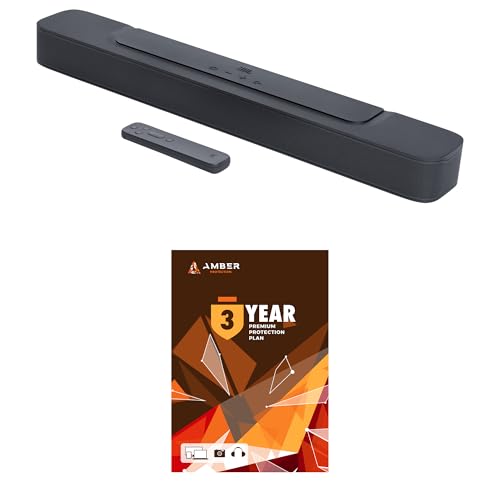
JBL BAR 2.0 All-in-One MK2 Compact Soundbar
A compact 2-channel soundbar with a built-in subwoofer that adds deeper sound to your TV without extra speakers or wires.
Product information
Our review: 3.8 out of 5
Product links
A full speaker system is a set of separate pieces: a center speaker, two front speakers, surround speakers, and a subwoofer, plus a receiver or amp to power and connect everything. It takes more room, more cable, and more patience during setup. In return, you get to place each speaker where it does the most good, and you can upgrade one piece at a time later on.
Here's a quick way to decide. If your TV is on a stand and you want the least amount of fuss, a soundbar is the easy pick. If you already have a receiver, or you want surround sound that really moves around the room, a separate system gives you more control. Some soundbar kits add rear speakers, which splits the difference and gives you surround effects without running a full wired setup.
Watch for the receiver question when you shop. Some speaker packages include an amp, and some expect you to supply one. Read the product listing carefully to see what's in the box, and check whether the setup connects to your TV with a cable, Bluetooth, or both.
Pros
- A home theater speaker system puts sound around you, so movies and games feel bigger than what a TV speaker can manage.
- Soundbars are a tidy option because they sit under the TV in one piece and avoid a pile of wires across the room.
- Wireless subwoofers let you place the bass unit somewhere out of sight, since low sounds don't need to come from a specific spot.
- Many systems include Bluetooth, so you can stream music from a phone without setting up anything complicated.
- Bookshelf and tower speakers can be added over time, so you can start small and upgrade one piece at a time.
Cons
- Soundbars and small all-in-one systems usually sound thinner on low bass than a full separate speaker setup with a real subwoofer.
- Wireless subwoofers still need to be plugged into a wall outlet, so you will need a spot near power, even though the sound box itself has no cable running to the receiver.
- Bigger 5.1 and 7.1 systems take up a lot of floor and wall space, and the rear and side speakers have to be placed carefully to get the surround effect.
- Bluetooth connections are handy for phones, but they can compress the audio a bit, so movies and music sound better through a wired HDMI or optical connection when your setup supports it.
- Budget speaker packages often use cheaper cables and speaker wire, and the included parts may need an upgrade if you want the best clarity.
How to Pick the Right Speakers for You
Start with your room, not the box. Measure the spot where each speaker will sit, and note how far your couch is from the TV. That one number tells you a lot about whether a compact bookshelf pair, a set of tower speakers, or a soundbar will fill the space without feeling crowded.
Next, check what your TV and source devices can actually send out. Look at the back of your TV and your streaming box or game console for an HDMI port labeled ARC or eARC, or an optical audio output. If you have one of these, a soundbar or receiver can take the sound through a single cable. If you only have a headphone jack, you may need a different connection or a Bluetooth option, so confirm that before you add anything to your cart.
Then make a short list of what you need to hear. If you mostly watch dialogue-heavy shows, a good center speaker or a soundbar with a strong center channel matters more than a huge subwoofer. If you play action games and watch big action movies, put more weight on the subwoofer and the surround speakers. Being honest about your habits saves money on parts you will never notice.
Finally, think about the room you have next year, not just today. If you might move the TV to a bigger wall or switch to a larger setup, a system that adds pieces one at a time, like a separate receiver with bookshelf or tower speakers, gives you room to grow. If you want to set it up once and forget about it, a soundbar kit is the simpler choice. Either way, take a photo of the room and bring it along when you compare listings, since it makes the fit questions much easier to answer.


